This page gathers some traces of progettotra.carrd a five-week residency in Melpignano as artist facilitator for CPPM master's students in Performing Arts in Tallinn alongside my personal research on tarantism. A thought on somatic, trance, care, rituals, community, and the non-linear narratives that reality offers us. An attempt to inhabit the flow, to resist and metabolise, to embody the movement of the world through gesture, word and relationship. It is a place where intuitions become traces, explorations become fragments, and dreams become possibilities. It is an invitation to discover seeds of curiosity.
META_NOIA
META_NOIAIn the Greek tradition, it is the movement that goes beyond thought: a change of mind, a profound transformation of consciousness. A transition of that fleeting moment where things are no longer what they were, but not yet what they will become. But the term can also be read in another key, closer to a contemporary sensibility. Meta noia as a crossing through boredom, through stasis, through melancholy. A deeper movement that transforms oppression into texture, dialogue, care. A practice.A MOVEMENTA process that involves the body, time, matter.
Two inseparable forces.
Resistances and metabolizations not as separate phases, but as two aspects of the same movement.
Waves that allows the erosion and state transformations.Resistance, the capacity not to yield, to find a foothold, to oppose dissolution. It is the "not yet," the "not like this, not now." Metabolization is what transforms resistance into change, the process by which the body assimilates crisis, digests it, turns it into resource.
Together, they oscillate and trace the path of metanoia.This path is above all a somatic invitation. The body as the site of experience, of memory, of possibility, surface and depth in which knowledge settles before it even becomes word.Metanoia as something to be inhabited, made of encounters, dialogues, contacts, textures, networks, and care.A SPACEWe live in a state of constant flow. The world is movement: tectonic plates colliding, currents crossing oceans, data traveling through fiber optics, images multiplying, memories layering. Beyond our comprehension, yet tangible. Ethereal, yet real. Reality is an intertwining of uncontrollable forces but which we inhabit, cross through, transform. Metanoia as a space for encounters, connections, questions that expand, perspectives that meet, pathways and crossroads. It is an attempt to collect fragments around questions that accompany me: the research on tarantism, the experience of the artistic residency in Melpignano, the intuitions that emerge from the body and from dreams, the non-linear narratives that Melpignano offered us.AN INVITATIONMetanoia is an experiment: an attempt to inhabit the flow, to resist and metabolize, to inhabit the movement of the world in gesture, word, relationship.
It is a place where intuitions become traces, research becomes fragments, dreams become possibilities.
It is an invitation to find seeds of curiosity in a shared exploration.I hope that here, among words and images, among thoughts and questions, you might find something that speaks to you, that makes you pause for a moment, that opens you to a different perspective.
If anything resonates with you, contact me or meet me in person.
PREMISE
This research draws its initial impetus from tarantism, a ritual and therapeutic practice historically rooted in the landscapes of southern Italy, more specifically in the Salento peninsula, where the sonic texture of the pizzica and its kinetics were summoned as a collective pharmacopoeia against a simultaneously symbolic and corporeal poisoning induced by the mythical bite of the tarantula. However, this project deliberately distances itself from a purely ethnographic or folkloric perspective; rather, it contemplates tarantism as a living conceptual constellation and a fascinating historical archetype through which to rethink the body's capacity to transmute, through rhythmic recurrence and choreographed paroxysm, the toxins that infest its historical moment.
The tarantine ritual is interpreted here, in dialogue with the seminal contributions of anthropologist Ernesto de Martino and their subsequent critical reinterpretations, not as a rudimentary therapeutic relic, but as a coded idiom and a strategy of somatic insurrection. It offered individuals—predominantly women—trapped within the constraints of a patriarchal and intensely coercive social order the opportunity to articulate psychological and social distress otherwise relegated to silence (melancholy, marital submission, traumatic imprints, material poverty) through the medium of ritualized and collectively sanctioned possession. This hermeneutic perspective resonates deeply with the analyses proposed by Silvia Federici, particularly in Caliban and the Witch, where she demonstrates how the female body, under the nascent regime of primitive accumulation and the concomitant witch hunts, was reconfigured as a terrain of expropriation, a reservoir of biopolitical energy to be disciplined, pathologized, and made productive.
In this framework, tarantism emerges as a form of "healing from below." A body that, through the vortex of crisis, the depth of trance, and the excess of choreographic outbursts, rejects its imposed destiny of reproduction and productivity. Transposing this hermeneutic apparatus onto the fabric of our contemporary condition, the research advances the following speculative proposition: if the "spiders" of the 21st century are no longer zoological entities but virtual, psychosocial, and political-economic constructs, could we then deviate the operational protocols of this ancient rite to forge new antidotal grammars? The project thus implements a strategic inversion of the bite paradigm—shifting from a state of passive affliction to one of active and deliberate appropriation. Federici's lesson resonates particularly strongly here: the violence of neoliberal capitalism persists in dispossessing bodies of their epistemic communitarian heritage and their autonomous and self-determining potential.
This project resonates with Federici's proposal for a "politics of the corporeal commons": relearning how to collectively produce states of sensitive resistance, shared affects, and rhythmic disobedience. Against the isolation and dematerialization imposed by the digital economy, reinvented tarantism would become a practice of collective reappropriation of somatic agency. It involves making the body a laboratory of critical experimentation, an active antenna capable of capturing the pathogenic frequencies of the present, translating them, amplifying them, and ultimately expelling them through the formulation of a gestural vocabulary of resistance. Dance here no longer aims at healing in the sense of reintegration into a given social order, but rather at emancipation through desynchronization and the critical agency of the body. In short, starting from tarantism means inheriting a profound intuition concerning the transformative power of rhythmic repetition and collective movement, in order to better shift and radicalize it. The aim is to explore how a body language, born in a context of extreme constraint, can today inspire a choreography of conflict capable of challenging the invisible possessors who inhabit us, and to delineate the gestures of a possible detox. In doing so, the research sits at the crossroads of Federici's thought and critical anthropology: it is neither folklorizing nor psychologizing trance, but rather making it a political technology of the body—a situated practice of somatic insurrection against the contemporary envelope of affect, attention, and movement. Through the study of this tradition, I intend to interrogate the power of the repetition of movements and rhythms as the engine of trance. The research poses a central question: how can a state of trance, born in a ritual and communal context, become contemporary choreographic material? The desired outcomes are therefore the development of an initial body vocabulary inspired by tarantism, the creation of experimental choreographic material intended to nourish future projects, the documentation and analysis of trance processes through movement, and the development of a choreographic methodology that articulates itself in and through body practice.
META_NOIA 01
about possession as a form of life
Quando sapevo danzare sulle tele di ragno tendevo fil luminosi agli incroci degli spigoli
Mi piaceva mugolare vecchie nenie tarantolando tra gli spazi di pulviscolo
Il veleno dell'acqua santa tremava sulla punta delle mie canzoni
nei colori vivaci dei nastri intrecciati con antiche paure
Lenzuola bianche schiaffeggiavano il cielo scacciando più lontano le nuvole
La venditrice di spergiuri, l'occhio dietro la gelosia, annusava il basilico recitando rosari
Paese che non sa raccontarsi, fotografia ingiallita
Paese, cerchio, masso, preghiera, bestemmia
dimenticato strumento che ribatte sempre la stessa nota
Quando sapevo danzare cantavo gli incantesimi
Hanno murato il mio pozzo
Inchiodata a questa magia viaggio su una spiga
Grido striscio mi arrampico su un immobile cromatismo
Rossoverdegiallo
Giostra di colori portali balconi gerani mostri cariatidi
Cerchi di figure che mi centrifugano impazzite
Voglio liberarmi da questa ossessione
danzare dove il pilastro affonda nella volta
e il pulviscolo si disperde tra i pensieri e mi trapassa
dove le trame luminose di queste tele di ragno mi s'impigliano tra le ciglia
là arrampicata sulla pagola di luci colorate
saltellante su un’ostia caduta da una bocca tremante
Io, retta da un filo di ragno, memoria smarrita, danza musica colore movimento frenesia
lo, funambolo impaurito sui simulacriQUANDO SAPEVO DANZARE, Laredana Viola
It's not the spider that bites, or not only that. The bite is already a translation, an allegory that culture offers the body so that it can recount its pain without succumbing to silence. Ernesto de Martino, in his book "Land of Remorse," intuits this with a clarity that still hurts today: tarantism is not a disease, but a "crisis of presence," a mythical-ritual device that transforms formless pain into a danced figure, unspeakable conflict into a choreographic paradigm. The tarantula, then, is not an arachnid: it is a symbol, "a perspective for imagining, listening, and looking at that to which one is deaf, blind, and unimaginative." The ritual restores form to what would otherwise remain chaotic and silent.
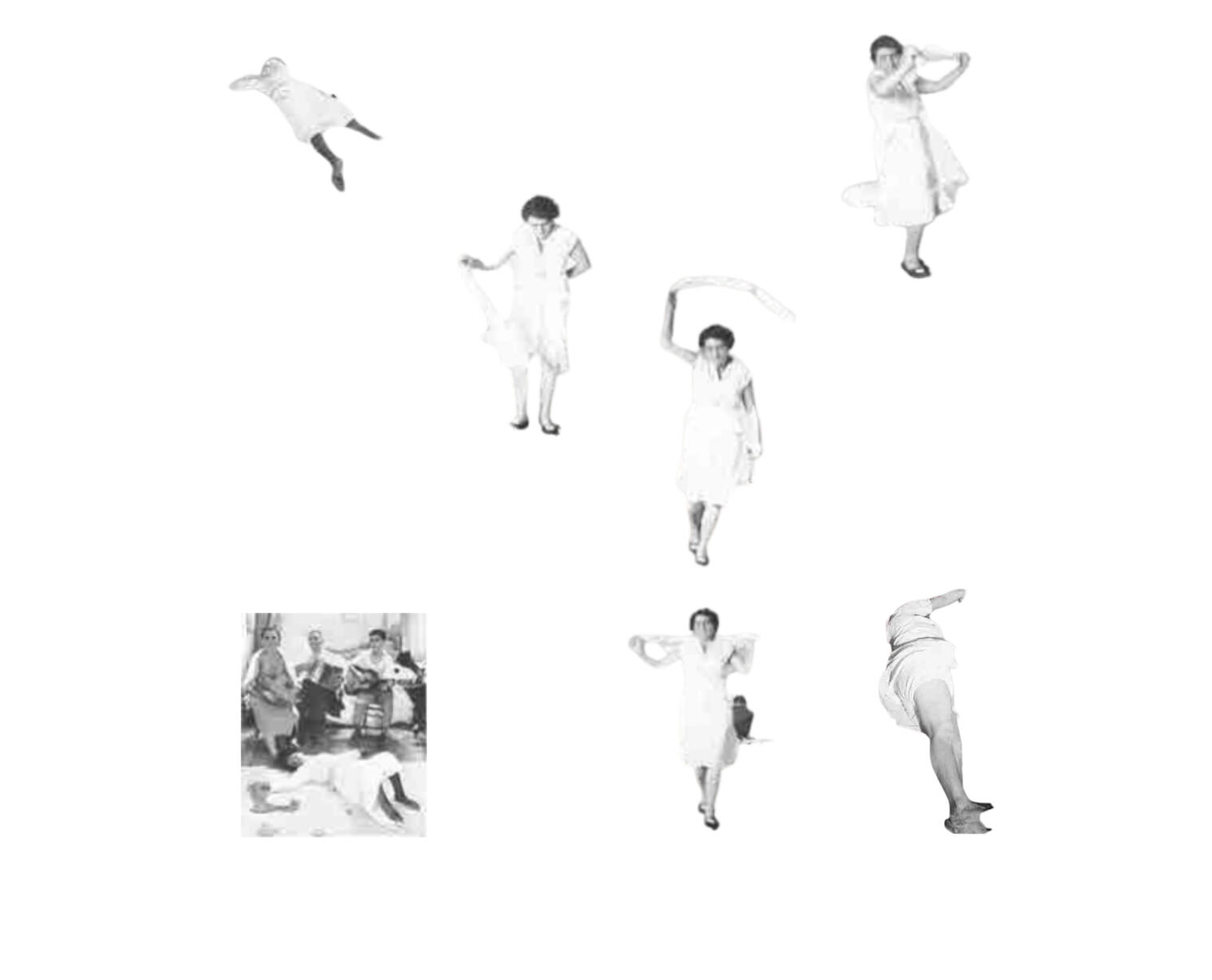
Yet, there is a moment that precedes and at the same time establishes every symbolization: the body that resists and metabolizes. Before the name, before the color of the ribbon and the melody that "pinches" the right tarantula, there is the flesh that trembles, that contracts, that abandons itself to the ground with legs bent and spread, simulating a forced embrace, a submission that is both biological and social. It is the phase on the ground, which the ethnomusicologists of de Martino's team describe as a "dancing beast's body": an undulating and jolting movement, the head following a crawling motion on the back, the heels beating the rhythm against a sheet that marks the ceremonial perimeter. Here, the body does not represent, it is the wound. It does not imitate the spider, it becomes the spider, absorbing its contraction, its anguish, its psychic toxicity. It is the "zero degree" of mimesis, the point at which identification is so profound that it eliminates any distance between the subject and the object of his evil.
But the body's resistance manifests itself precisely in this stubborn adherence to the symptom. There is no escape from the crisis, but total immersion. The woman crawling, screaming, struggling on the sheet, does not give in to a hysterical void: she constructs, with the very material of her suffering, a shared grammar. The body metabolizes the conflict, making it visible, corporeal, and rhythmic. As de Martino writes, "the risk of repetition is repeated," and in this repetition, paradoxically, the possibility of detachment is generated.
It is the body that, by exhausting in dance the aggressive charge that inhabits it, acts as a bridge between the private and the collective, between the unspeakable and the myth.
Then comes the erect phase. The body suddenly rises, and resistance becomes competitive. The tarantata grasps the ribbon of the color that symbolizes her spider, "stamps it with her foot armed with dance." She is no longer just a victim: she is a heroine who bends the beast by dancing it, who superimposes her own rhythm upon it. The crisis becomes conflict, and the conflict becomes catharsis. In this transition—from animal passivity to confrontation—the true metamorphosis takes place: what de Martino calls "dehistoricization" and "reintegration." The conflict, rendered figurative by the symbol, can flow, can be "let go" under the watchful eye of the community, which with its presence and its music, with its tambourines and violins, ensures that the body does not sink into the shipwreck of madness, but finds a shore, a predefined channel where ecstasy and control can coexist.
This is the metanoia of tarantism, an existential upheaval that passes through the body. The crisis is not overcome by denying it, but by going through it to the end, dancing it, until the exhausted body finds a new equilibrium. As Giovanni Jervis, the psychiatrist who accompanied de Martino to Salento, wrote, "The tarantato is someone who, gripped by a dark force, finds in community and myth the possibility of becoming an 'active agent of a drama that is directed by the ritual.'" And in this active becoming, in the body that resists and transforms, lies the only authentic possibility of salvation. The spider is not killed, it is danced, and its dance is the form that remorse, desire, anger, and abandonment find to become a narrative. To no longer be just poison.

METANOIA 02
about the last glance and rebirth
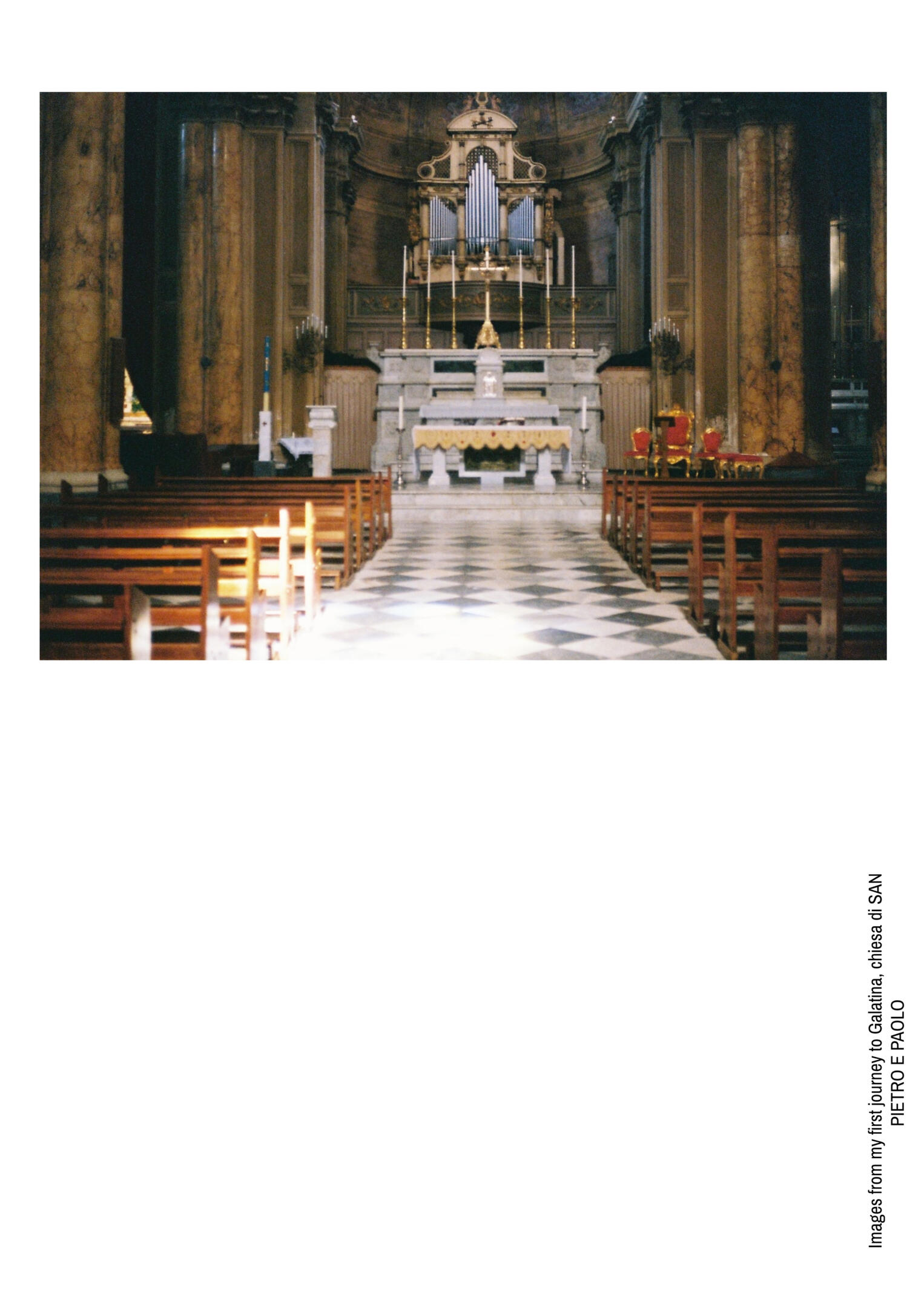
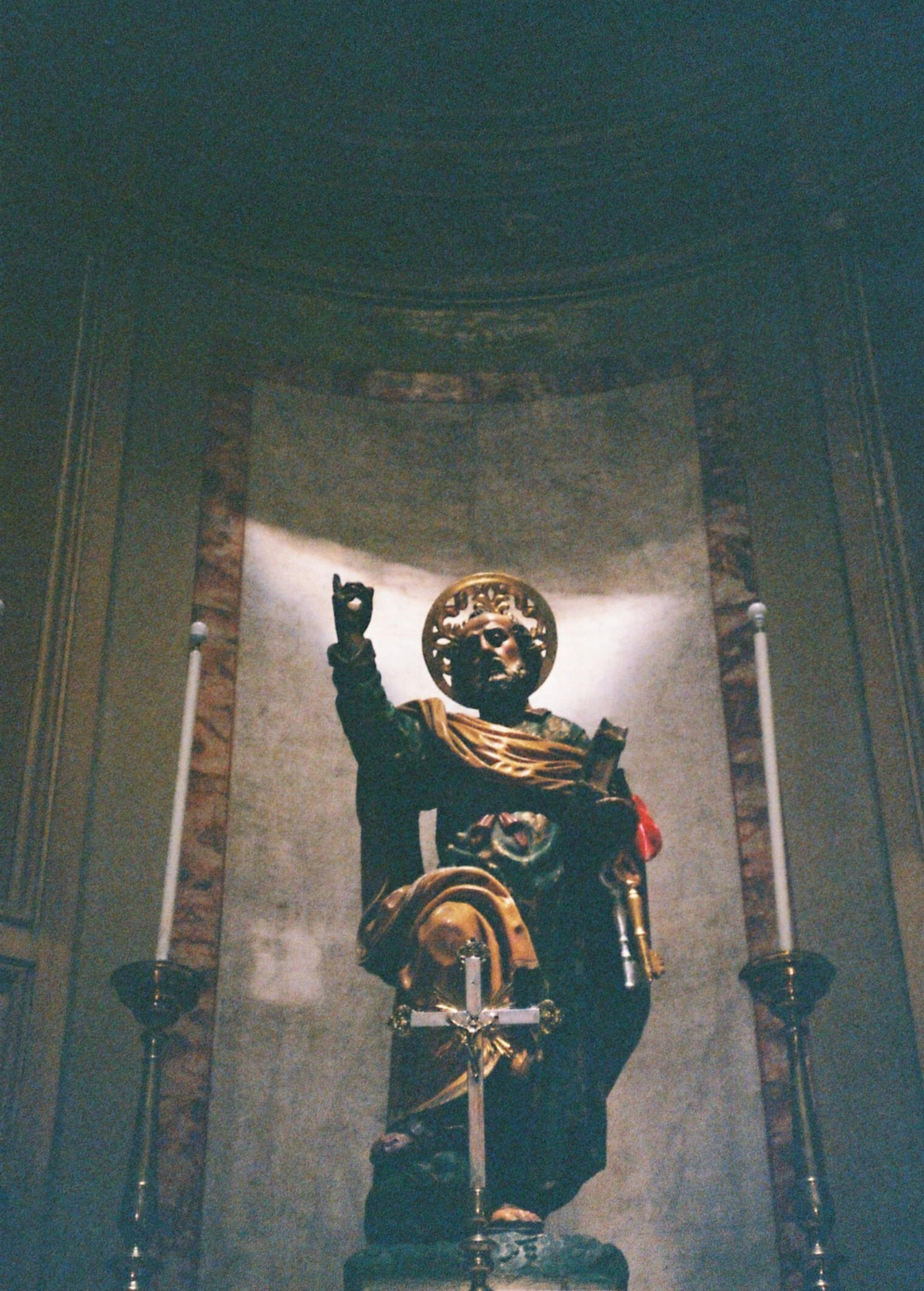
But the body that resists and metabolizes is not only suffering flesh that abandons itself to the ground; it is also flesh that exposes itself to the gaze, that becomes an image at the precise moment the ritual ends. Angelo Angelastro, in June 1978, climbs onto a terrace in front of the chapel of San Paolo in Galatina. He is not looking for the domestic ritual, the complex musical therapy that de Martino had documented: he seeks "the last tarantate," those who still, in a ritual that is now almost nonexistent, drag themselves to the church to ask the saint for grace. His black and white photographs capture them from afar, unbeknownst to the subjects, behind a grate and a telephoto lens that hide the photographer. In this distance, there is a symptom: the end of an era.
It's no coincidence that Angelastro doesn't cite The Land of Remorse among his preparatory readings, and that his memory doesn't recall the recently aired television investigation "South and Magic." His attention is elsewhere: in the suggestions of Christ Stopped at Eboli, in Quasimodo's commentary on Mingozzi's film, in Eugenio Barba's experience of Odin Teatret. The tarantism he documents is already a cultural object, a residue to be captured in the image before it disappears completely. The photographs recount "a pain, but also a feeling of pity, of calm solicitude." Ritual is almost absent; the guidance of complex and articulated home therapy is no longer there. There are bodies that still move according to an ancient gesture, but the myth that sustains them is receding like a tide.
And yet, among those images, Michela appears: tiny, wiry, dressed in white. She is the author of Letters from a Tarantula, published by Annabella Rossi, capable of recounting her life and feelings with elementary tools, but "in a decidedly effective way." Michela is the bridge between two worlds: still a suffering body, still a figure recognized by the community, but already a subject who writes, who narrates, who escapes ethnographic objectification. Her presence in Angelastro's photographs is a silent witness to a transition: tarantism becomes a self-narration, which is consigned to history and memory.
If Angelastro fixes his gaze on the end, Pierpaolo De Giorgi looks backward and deeper. For him, tarantism is not a crisis of presence to be reintegrated, it is not the "landslide of the psyche" that de Martino spoke of. Rather, it is a resource traditionally managed by women, a survival of an archaic totemism, a ritual religious system rooted in the cult of the Magna Mater and the megalithic age. His perspective is spiritualist: tarantism as the manifestation of a "great harmony" that reconnects man to the whole, that reverses illness into health through music and dance. In Pythagorean mousiké and pizzica pizzica, De Giorgi sees the same principle: the harmony of opposites, the logos that not even a god can deny. This vision, which de Martino might have deemed excessively metaphysical, has the merit of restoring tarantism to a dignity that is not merely psychopathological or sociological. It reconnects the ritual to a broader mythical horizon: to the labyrinth and Ariadne's thread, to the spider's web as a place of death and rebirth, to dance as an initiatory journey that reverses and regenerates. The popular saying of Acaya "se nun coi tirai lu filu la taranta nun ci fiballa" thus becomes the echo of a profound knowledge: the musical thread is what allows the taranta to dance, and the tarantata to escape the labyrinth of her own suffering. The dance itself, made of steps forward and inversions, is the labyrinth: it traverses it to undo it, inhabits it to escape.
There is a profound affinity here with Angelastro's photographic gesture. He too, from afar, sought to "pull the thread": to capture the last movement before tradition unraveled. His images are labyrinthine: they capture a body still clinging to a rope hanging from the ceiling, evoking Arachne's suicide and, at the same time, the thread connecting the dancer to the divinity. But while De Giorgi searches for an arche, a timeless principle that explains the phenomenon in all its duration, Angelastro confronts the telos, the end. His photographs are the document of a twilight: the rite that no longer exists, the community that has withdrawn, the gaze that becomes distance and pity. Yet, the body that resists and metabolizes has not surrendered. Angelastro's latest tarantate are also the first of another story: what Giovanna Parmigiani, in her The Spider Dance, calls "neotarantism." From the turn of the century, tarantism disappeared as a form of possession and suffering, and transformed into an identity-building, spiritual, neopagan practice. It is no longer a bite to be treated, but a legacy to be reclaimed; no longer an evil to be expelled, but a resource to be cultivated. The body that resists—which had metabolized social conflict in dance and myth, now becomes a body that chooses dance, that recreates myth, that becomes an elective community in a world that has lost harmony.
In this passage, metanoia is accomplished. It is no longer the body that is possessed, but the community that owns its own body, reclaiming it as the locus of a knowledge that modernity had repressed. De Giorgi, in his spiritualist interpretations, and Angelastro, in his distant shots, both witness this metamorphosis: the former seeking the root in the archaic, the latter seeing in the end the beginning of another possibility. The circle closes, but it is not a labyrinth with no exit. It is a web that the spider has woven and that the tarantata, grasping the thread, can still travel. And in this, travel, transform.
METANOIA 03
about oscillation and the return
The music itself, with its syncopated structure, with its rapid glissandos that "forcefully and decisively combine the low and high notes of the scale," establishes "a sudden connection between the low and the high, symbols, as they are, of the usual opposites of death and life, masculine and feminine." Syncopation, which symbolically links one measure to the one preceding it, contributes to "giving the pizzica-pizzica a pressing pace and a continuous interplay of tension and relaxation." The interplay of tension and relaxation, of death and life, of falling and rising: this is the movement that the body metabolizes, that the body becomes.
And in this becoming, resistance becomes rebirth. The body is no longer passive, victim of a bite, of a crisis; it is a body that chooses oscillation, that inhabits it, that transforms it into a gesture of liberation. Metanoia is not a one-off conversion, a miraculous event; it is a perpetual movement, an oscillation between opposites that is life itself. And tarantism, from this perspective, is a technology of this movement, a practice that teaches the body infinite possibilities, not to freeze in crisis, but to dance with it, to transcend it, to make it, as de Martino wrote, "an opportunity for rebirth."There is a movement that precedes and at the same time establishes every symbol: oscillation. Pierpaolo De Giorgi clearly intuits this when he traces the pizzica-pizzica to a cyclical philosophy, to a concept of alternation that belongs to the great civilizations of the Mediterranean: "the constant alternation between the analogical opposites of death and life, of feminine and masculine, of darkness and light." These opposites, he writes, are not in conflict: they are complementary, basic and inalienable principles of existence that Southern cultures have deduced from the cyclical changing of the seasons.
Tarantism, from this perspective, is a staging of this fundamental oscillation. The tarantata, who simulates death and conquers it with dance, merely repeats a cosmic gesture: the swing that governs the world. De Giorgi speaks of a "harmony of opposites," a great harmony that is logos, the absolute foundation of Being, and which the Pythagoreans, those initiated into the Greek Mysteries and the Dionysian rites of the swing and the labyrinth, through the mousiké, and the followers of tarantism, through the pizzica pizzica, knew how to use to "reverse illness into health and heal."
This inversion is the core of metanoia. Illness, for De Giorgi, is not a state, but a polarity; health is the other polarity. The oscillation between the two is the very movement of life. The ritual merely reactivates this oscillation, restoring the body to the rhythm it has lost. And here comes the resistance and metabolization we were talking about. The body that resists is the body that oscillates, that doesn't allow itself to be fixed in one position, that doesn't abandon itself to the passivity of crisis, but transforms it into movement, into dance, into transition.
The tambourine, the ritual's basic instrument, is for De Giorgi the symbol of this oscillation: made from goatskin, the sacrificial animal par excellence, it "symbolizes the 'singing death,' or death that recreates life through song." The dead animal's skin resonates in the rites, and its sound is the voice of death becoming life. The player's blood, which the small lacerations of his hand cause to flow, symbolically mixes with the animal's blood, and in this mixture the sacrifice is accomplished: not as annihilation, but as "the conjunction of the complementary opposites of death and life," as "the ritual establishment of the basic harmonic conditions for rebirth to be possible."
METANOIA 04
about women, animals and redemption
There's another truth that tarantism reveals. The tarantula, the symbolic animal that bites and possesses, is female. The tarantata, the victim of the bite, is almost always female. The ritual is essentially conducted by women.
And this is no coincidence. Tarantism arose in a context in which women were considered less than animals. This is not hyperbole, it is a historical observation. The tarantate were often peasants, farmers. Their bodies were laborers, subjected to toil and violence. Their sexuality was controlled, repressed, and mortified by the patriarchy and its ties to Catholicism. The references to a deeply felt yet repressed sexuality, which fuels ambivalent feelings of desire and fear, hark back to the guilt, shame, and judgment that have marked female sexuality for centuries.
Yet tarantism was a healing ritual for women. A ritual that, as it unfolded, offered them what everyday life denied. Within the ritual, the tarantata indulged in a "public performance that temporarily broke social taboos, abandoning herself to a somatic rebellion that, from an experience of crisis, through music and dance, became catharsis" (De Giorgi). The female body, usually constrained by strict codes of conduct, found in the ritual a space for free physical and emotional expression.
The sacred space of the ritual, by removing itself from everyday rules, allowed forbidden desires to be symbolically addressed, especially those of a sexual nature.
The frenetic movements, the bodily spasms, the constant falling and getting up recalled "an implicitly sensual language." The alternation between moments of unbridled energy and others of abandon and prostration could be read "as a metaphorical representation of desire and sexual fulfillment." And the chants that accompanied the service left no doubt: "Saint Paul, pierce me with your sword and wound my heart; with your dart touch my wounds."
There is a fundamental passage that marks the difference between a simple hysterical outburst and a rite of cultural resistance. The tarantism healing ritual, unlike an exorcism, "relyed on a bond of alliance and collaboration with the spider responsible for the bite, with which a dialogue was established through music and colors." There was no conflict, no struggle with the demon: there was a dialogue. And in this dialogue, the tarantata was not a victim, but an interlocutor, a co-protagonist in a drama that involved and redeemed her.
The ritual did not heal the tarantata "by exorcising her from the illness that had struck her, but rather by giving her the opportunity to publicly behave as a sick person according to a model recognized by all, to free her from her internal suffering, giving her a way out of herself and rejoin the community." Publicly displaying this suffering became "an implicit but strong request for help and recognition." And the community responded: by participating, supporting, recognizing.
In this recognition, tarantism brought about a "revolutionary, albeit temporary, reversal of everyday gender roles." The tarantata was the undisputed protagonist of the ritual: no longer a marginalized woman, no longer a submissive body, but the center of an event that involved the entire community. Women, who in everyday life were "less important than animals," became, in the ritual, the axis around which everything revolved. Social redemption was accomplished in this temporary but real reversal of power.
And this redemption was possible precisely because tarantism, as De Giorgi wrote, "is a ritual essentially managed by women." Not by institutions, not by male power, not by the Church: by women themselves, who through the ritual found a language to express their pain, a form for their rebellion, a community for their suffering. Tarantism, from this perspective, is a form of resistance: "in a context of poverty, social marginalization, and patriarchal oppression, tarantism and its ritual allowed the tarantate to express their needs and seek a way to satisfy them."
The tarantula, a symbolic animal, thus became an ally: she who, with her bite, offered women the possibility of healing and rebirth, giving them "with her venom a means to exorcise the evil they suffer." The female tarantula, who possesses women, liberates them: she draws them out of silence, restores them to speech, gesture, and body. This is the profound ambivalence of tarantism: the venom that heals, the bite that saves, the possession that liberates.


METANOIA 05
about webs and revolt
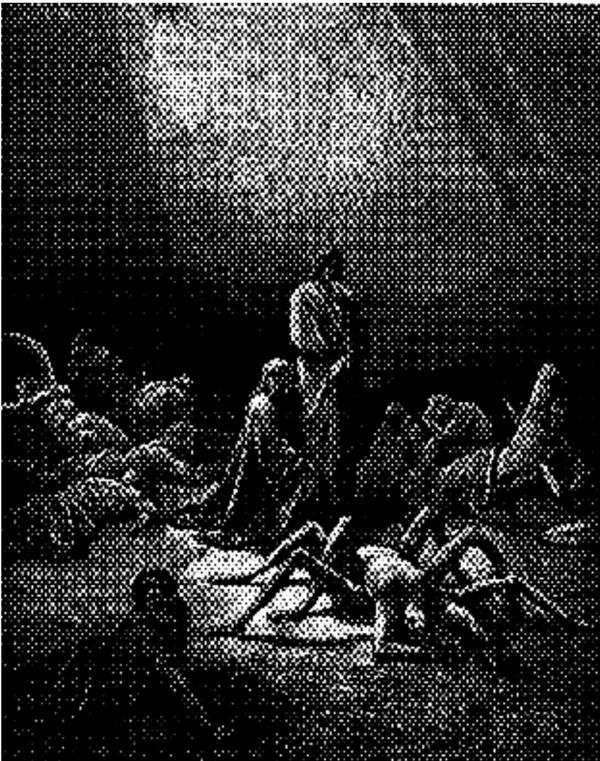
A further thread unravels. The figure of Arachne, in contemporary reinterpretation, is not merely the victim of punished pride, but a cyborg heroine, whose hybrid body contests the inviolable boundary between nature and technology. Weaving—humanity's oldest technology—is the symbol of this hybridization: the weaver's body fuses with the loom, her hands become instruments, her gesture becomes machine. In this fusion, Arachne is no longer a hapless maiden, but a figure who reclaims her own transformation.Tarantism, from this perspective, is another form of hybridization: the body of the tarantata fuses with music, with dance, with rhythm. The tambourine, the foundational instrument of the ritual, made from goatskin, is body that becomes technology, death that becomes life. The tarantata who dances is an archaic cyborg: a body that transforms, merges with instruments, becomes other than itself. Her dance is a technology of care—of the self—that produces a new body, a new subject, a subjectivity that escapes the categories of normality and pathology.In this hybridization, tarantism also speaks to us of the future. Just as the figure of Arachne invites us to rethink the boundary between natural and artificial, so tarantism invites us to rethink the boundary between healthy and sick, between normal and pathological, between human and divine. The hybrid bodies that contemporary technology produces—bionic, algorithmic, modified—are also our bodies. And like the body of Arachne, like the body of the tarantata, these hybrid bodies lay claim to an illegitimate alliance: between organic and inorganic, between nature and culture, between pain and art.Tarantism is prophecy. Tarantism is prophecy. It shows that metamorphosis is not always punishment, that transformation can be liberation, that hybridization can be revolt.The tarantata who becomes spider, like Arachne who becomes spider, is not a victim: she is a heroine. Her hybrid, dancing body, fusing with music and with myth, contests the divine, patriarchal order of normality. It is a declaration of biotechnological warfare—though archaic: waged with the tambourine, with dance, with the thread stretched between past and future.Perhaps this is tarantism's deepest message: that the resistance and the metabolization of the body pass through metamorphosis, hybridization, the reclaiming of a body never exclusively human, always in relation, in transformation, in dialogue with animals, divinities, technologies. Like Arachne, like the tarantata, we are all cyborgs: bodies that become loom, loom that becomes body, in a continuous, inexorable interweaving.A thread runs through the myth of Arachne and tarantism, stretching between the ancient weaver and the tarantata. Both figures are female, both linked to a weaving animal, both stage a challenge to the divine and, at the same time, a reclamation of art and the body as loci of resistance and freedom. In this persistence of the myth of Arachne in Apulian tarantism, we can discern a profound permanence: that of a feminine knowledge that is transmitted, transformed, and embodied.
Tarantism, as Gianfranco Mingozzi demonstrates in his 1961 work La Taranta, is an incarnation of this myth. In Salvatore Quasimodo's commentary, the tarantata's dance is interpreted as a metamorphosis: the woman writhes, crawls, writhes, and becomes a spider, taking on its movements and sharing its condition as an ambiguous animal, suspended between earth and sky, between life and death. The tarantata, like Arachne, is a weaver: she weaves a web of suffering with her body, transforming poison into dance, the bite into movement, and suffering into art.
But tarantism, like the myth of Arachne, is also a challenge. If Arachne challenges Athena, goddess of wisdom and weaving, the tarantata challenges the established order: the family, the Church, the patriarchy. Her dance is a vindication: of the body, of desire, of the word.
Here, "foreclosed eros" emerges: repressed, repressed love and desire, which the ritual brings to the surface and transforms. The tarantata who abandons herself to the ground, who simulates intercourse, who screams her desire, is a woman who reclaims her sexuality, exhibits it, transforms it into a spectacle. The dance of tarantism is a dance of eros: a repressed and finally liberated eros, expressed in movement, in music, in the body that shows and offers itself.
Mingozzi and Quasimodo's guide reveals this dimension. In their film, the tarantata is not just a sick person, not just a victim of a bite, she is a heroine, a tragic figure who fights against her own destiny and transforms it into art. Her dance is a challenge to the divine, like Arachne's web. A challenge that asks not for forgiveness, but for recognition. And in this recognition, tarantism reveals itself as a "myth of the Feminine to the Feminine," a tale that women tell and dance for other women.
Elm BY SYLVIA PLATHI know the bottom, she says. I know it with my great tap root:
It is what you fear.
I do not fear it: I have been there.Is it the sea you hear in me,
Its dissatisfactions?
Or the voice of nothing, that was your madness?Love is a shadow.
How you lie and cry after it
Listen: these are its hooves: it has gone off, like a horse.All night I shall gallop thus, impetuously,
Till your head is a stone, your pillow a little turf,
Echoing, echoing.Or shall I bring you the sound of poisons?
This is rain now, this big hush.
And this is the fruit of it: tin-white, like arsenic.I have suffered the atrocity of sunsets.
Scorched to the root
My red filaments burn and stand, a hand of wires.Now I break up in pieces that fly about like clubs.
A wind of such violence
Will tolerate no bystanding: I must shriek.The moon, also, is merciless: she would drag me
Cruelly, being barren.
Her radiance scathes me. Or perhaps I have caught her.I let her go. I let her go
Diminished and flat, as after radical surgery.
How your bad dreams possess and endow me.I am inhabited by a cry.
Nightly it flaps out
Looking, with its hooks, for something to love.I am terrified by this dark thing
That sleeps in me;
All day I feel its soft, feathery turnings, its malignity.Clouds pass and disperse.
Are those the faces of love, those pale irretrievables?
Is it for such I agitate my heart?I am incapable of more knowledge.
What is this, this face
So murderous in its strangle of branches?Its snaky acids hiss.
It petrifies the will. These are the isolate, slow faults
That kill, that kill, that kill.
METANOIA 06
about networks and female care
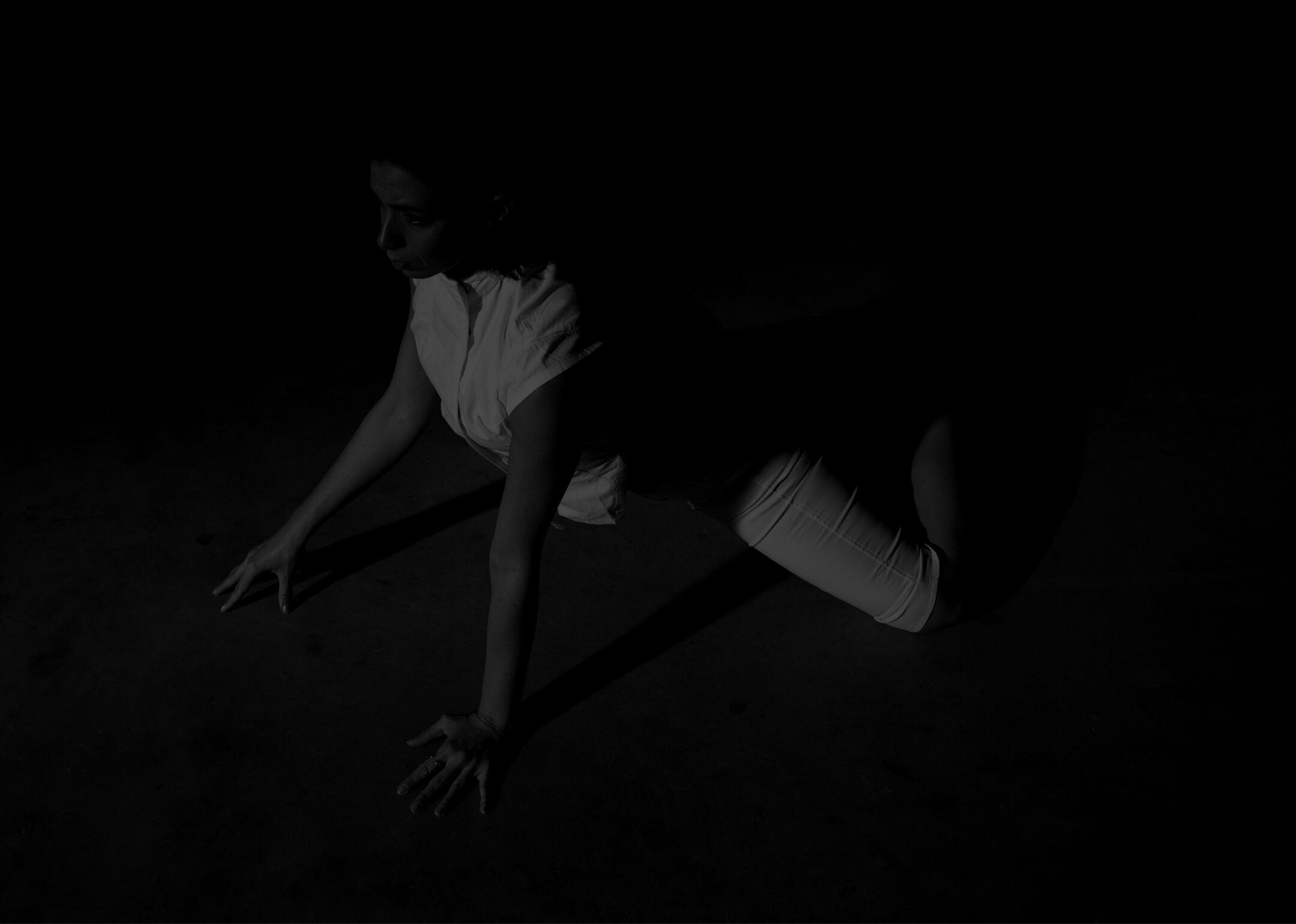
There's an image that recurs in tarantism with insistence: the web. The web that the tarantula weaves, and in which the tarantata struggles, is also the symbol of another, more subtle and profound web: that of the network of women that the ritual activates, that female healing sets in motion.
Tarantism is not a solitary ritual. The tarantata is never alone. Alongside her, there are other women: family members, neighbors, healers. Women who recognize pain because they have seen it, who know how to listen to the body because they know it. The healing network activated by tarantism is a feminine knowledge passed down orally, from generation to generation, from body to body. This knowledge, as De Giorgi wrote, has its roots in the "Great Mother" and in matrifocal civilizations. It is not abstract, theoretical, academic knowledge: it is practical, concrete knowledge, embodied in gestures, music, and dance. It is a knowledge that recognizes that healing is not an individual act, but a collective one: that healing is not achieved alone, but through relationships, in community, and in networks.
The presence and active participation of the community "plays a central role" in the therapeutic process. Musicians, family members, neighbors: everyone is involved. But the tarantata is the undisputed protagonist, and this temporary reversal of gender roles is, for the women who participate in the ritual, a moment of redemption and recognition. The community doesn't just watch: it participates, supports, provides help and support. And in this support, the care network is strengthened and consolidated.
The ritual thus becomes "a means of reintegrating spider-bitten women into society, who would otherwise have been marginalized by their illness." The network of women, the community that gathers around the tarantata, brings her back into the social fabric, restoring her to a bond that the crisis had broken. Female healing is not just physical therapy: it is therapy of the bond, of the relationship, of the connection.
And this is perhaps the most profound gift that tarantism offers to contemporary society. In a world that has lost harmony, that has "poisoned and devastated the entire world," the healing network that tarantism implements is an alternative model of relationship. A model that is not based on domination, competition, or hierarchy, but on sharing, listening, and reciprocity. A model in which the body is not an object of control, but a subject of expression; in which suffering is not hidden, but shared; in which healing is not individual, but collective. The last tarantate photographed by Angelastro in June 1978 are also the first of a new history: that of neotarantism, the contemporary rediscovery of this feminine knowledge, of this healing network. The women who today dance the pizzica-pizzica in the squares and theaters of Salento and around the world are no longer victims of a bite, but heirs to a knowledge: the knowledge that the body that resists and metabolizes, that oscillates between death and life, that exposes and shows itself, is also the body that heals and is healed. That weaves the web and recognizes itself in the web.
Because, as the popular saying De Giorgi cites goes, "if you don't pull the thread, the taranta won't dance." The thread you pull is the thread of tradition, of transmission, of care. And it's a thread that women have always known how to weave and keep taut, so that the dance never stops, so that life can always, inexorably, swing and return.
METANOIA 07
about wind and black mood
The sirocco never arrives suddenly. First, it's a vague heaviness in the air, an inexplicable sense of suspension. The sky turns a dull yellow, the colors blur, the outlines of things become less clear. It's the anticipation of the wind, a boredom that seeps into your pores, making every gesture more laborious, every thought slower. It's a subtle form of possession, lacking the drama of a tarantula bite, but perhaps more pervasive, more quotidian, more difficult to recognize.
The boredom we speak of is not the idleness of the privileged, but the oppression of those who have no choice. It is the boredom of women who, day after day, repeat the same gestures without anything changing, who wait for the wind to pass, for the night to bring a sleep that never comes, for life to offer something other than toil and silence. It is the boredom of those trapped in an invisible web, made of duties and sacrifices, of expectations and regrets. A boredom that, like the sirocco, is not fought, it is endured; it is not chased away, it is endured.
But there's another, more ancient word that resonates with this condition: melancholia. The Greek term *melaina cholé, "black bile," is one of the four humors that, according to Hippocratic medicine, determined an individual's temperament and health. Melancholy wasn't just a state of mind, but a physical condition, an excess of black humor that darkened the mind and weighed down the body. It was the autumn season of the soul, the time when the light recedes and the shadows lengthen. It was, after all, what the sirocco brought with it: a darkening of the horizon, a heaviness of breathing, a slowness that affected not only the body but also the spirit.
In the ancient world, melancholy had a dual nature. On the one hand, it was a pathology, a disease that afflicted the body and mind; on the other, it was the sign of a superior sensitivity, the hallmark of genius and artistry. The philosopher, the poet, the prophet: all were haunted by a shadow that made them deeper, more capable of seeing beyond the surface of things. Melancholy was the price of vision, the dark gift of those who knew how to look at the world with different eyes. And in this, melancholy is similar to tarantism: like the bite of the tarantula, like the poison that transforms, melancholy is a wound that opens the way to another truth.
The sirocco, with its oppressiveness, is the time of peasant melancholy: the moment when the body, tired and sick, surrenders to a darkness it cannot name. It is the time when work in the fields, daily toil, poverty, turn into a black mood, a bile that accumulates and finds no outlet. It is the time when the earth, arid and hostile, seems to respond with the same opaque silence as the sky, with the same immobility that paralyzes body and mind. Melancholy is the Greek name for this condition, the name ancient culture gave to what we call boredom: a boredom that is not laziness, but suffering, not indolence, but a disease of the soul.
And yet, in this melancholy, in this nameless oppression, lies the seed of transformation. Melancholy is suspended time, the moment when the body stops and the mind begins to wander, searching for meaning, a way out. It is the void that precedes speech, the silence waiting to be broken. Melancholy, like the sirocco, prepares the ground for metamorphosis: it is the condition that makes the leap possible, the transition from immobility to movement, from passivity to action. The Greeks knew it: the melancholic is he who, like the oracle of Delphi, is inhabited by a god who speaks through him, who transforms his darkness into vision, his silence into speech.
Meta-boredom, then, is the reversal of this melancholy, its transformation into something else. Not an escape, not a denial, but a transition: black bile becomes ink, silence becomes poetry, oppression becomes dance. It is the moment when the body, tired of suffering, decides to move, to seek a different air, to inhabit its heaviness and transform it into lightness. Meta-boredom does not erase the sirocco, it does not deny melancholy: it embraces and transforms it, like the tarantata embraces her pain and dances it, like the artist embraces his darkness and transforms it into a work of art.
And so, the oppressive wind becomes the wind that carries away, the wind that throws open the windows and lets in fresh air. The melancholy that paralyzes becomes a time for reflection, the moment when one decides to change, to seek another path, to stretch another thread. Meta-boredom is the vertigo of possibility, the moment when immobility dissolves and the body, finally, starts moving. It is the leap from oppression to freedom, from waiting to action, from melancholy to dance. A dance that, like that of the tarantate, does not forget the pain, but transforms it into gesture, into rhythm, into life..
.
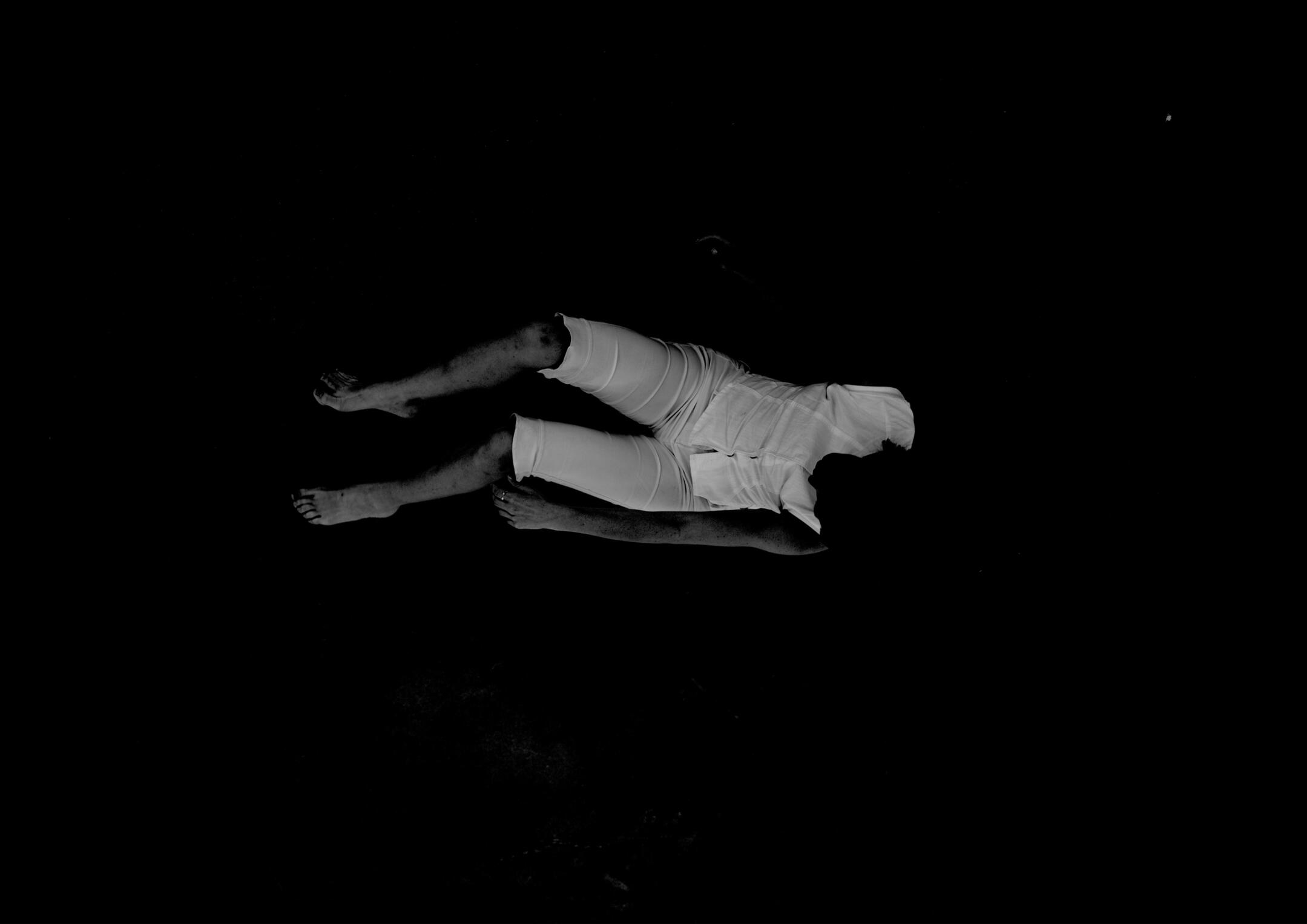
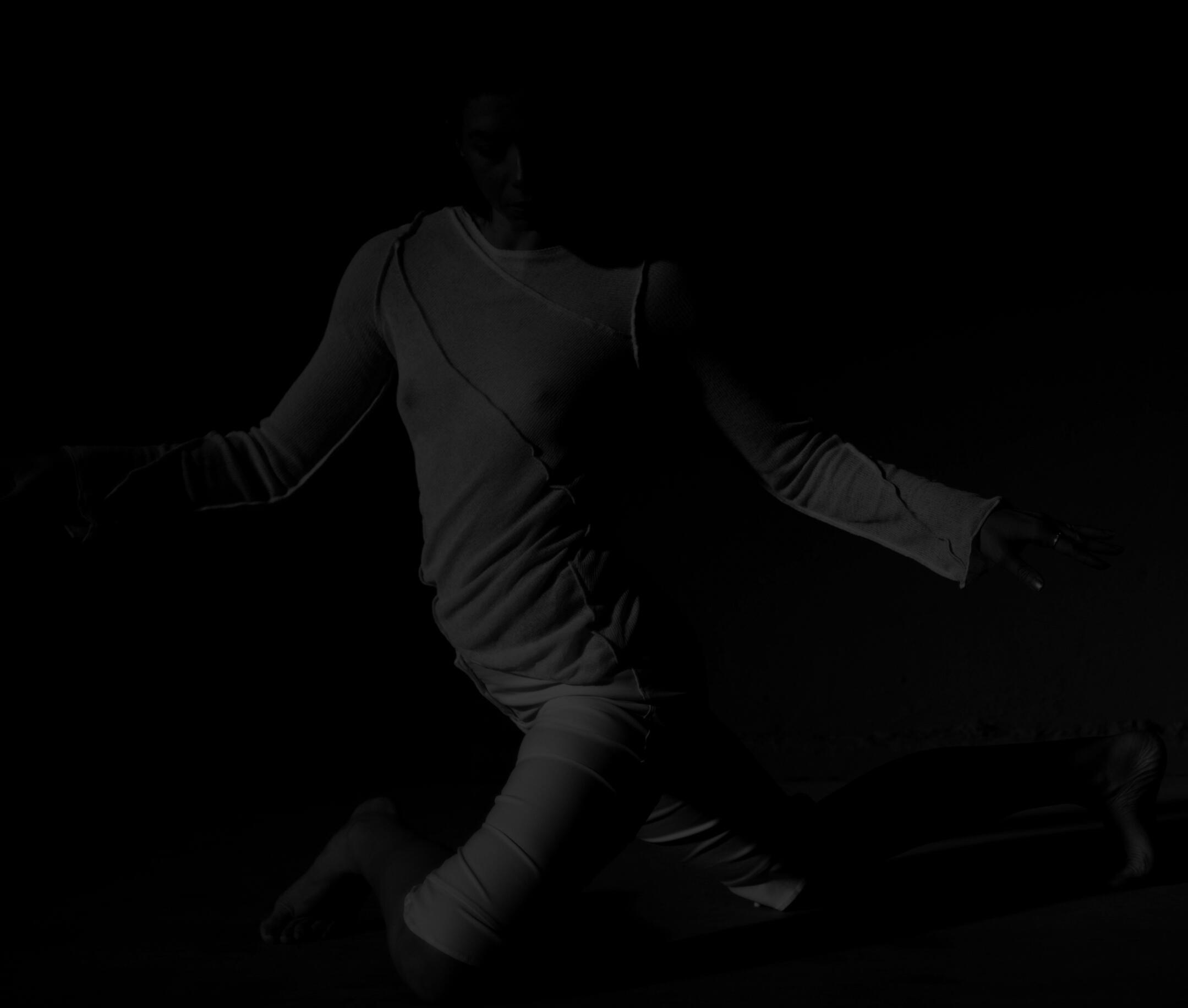
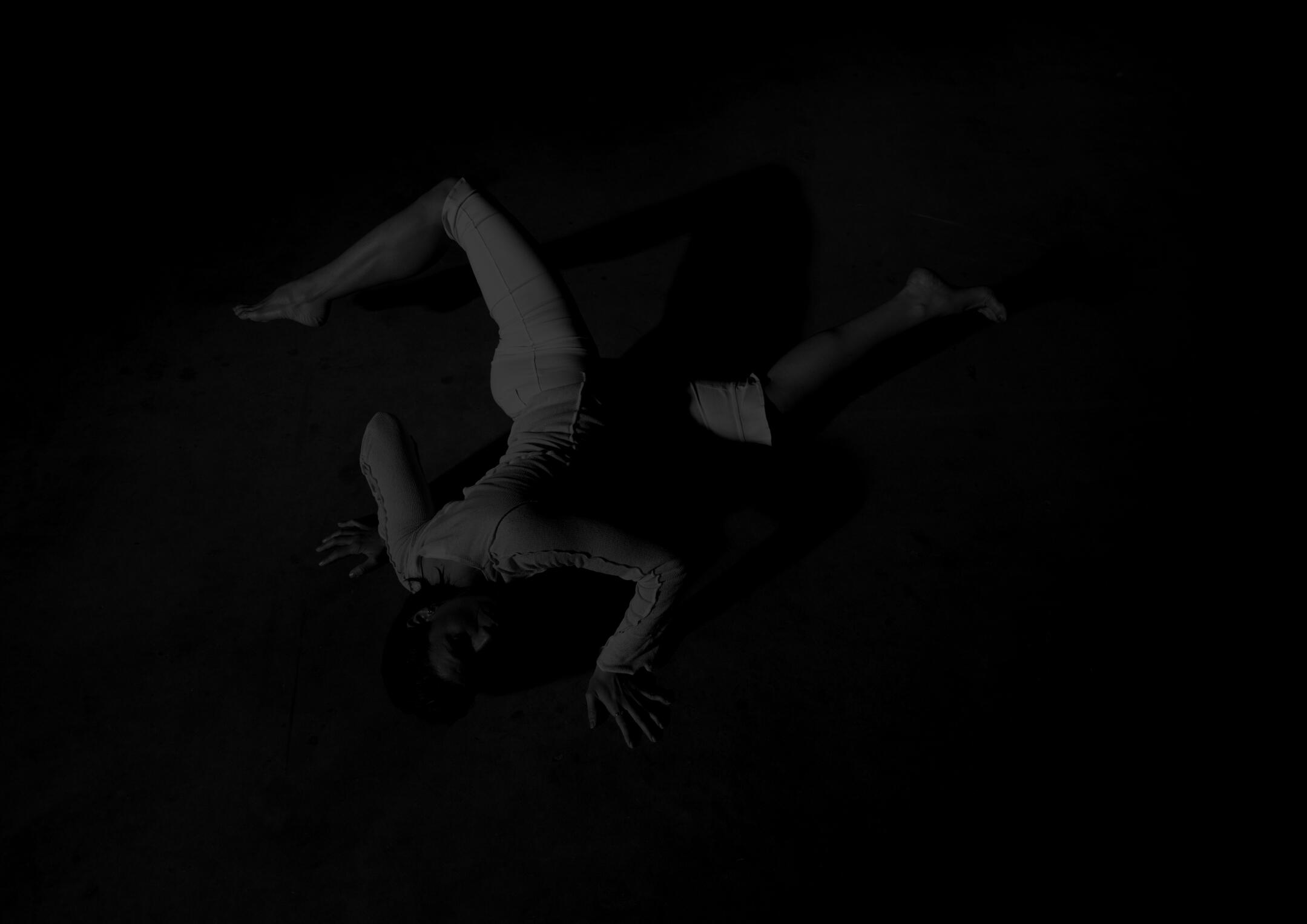
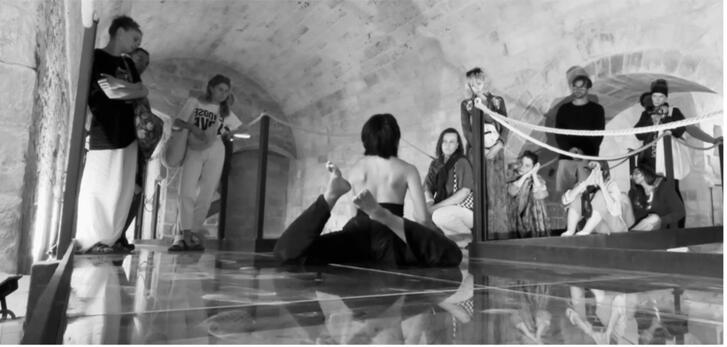
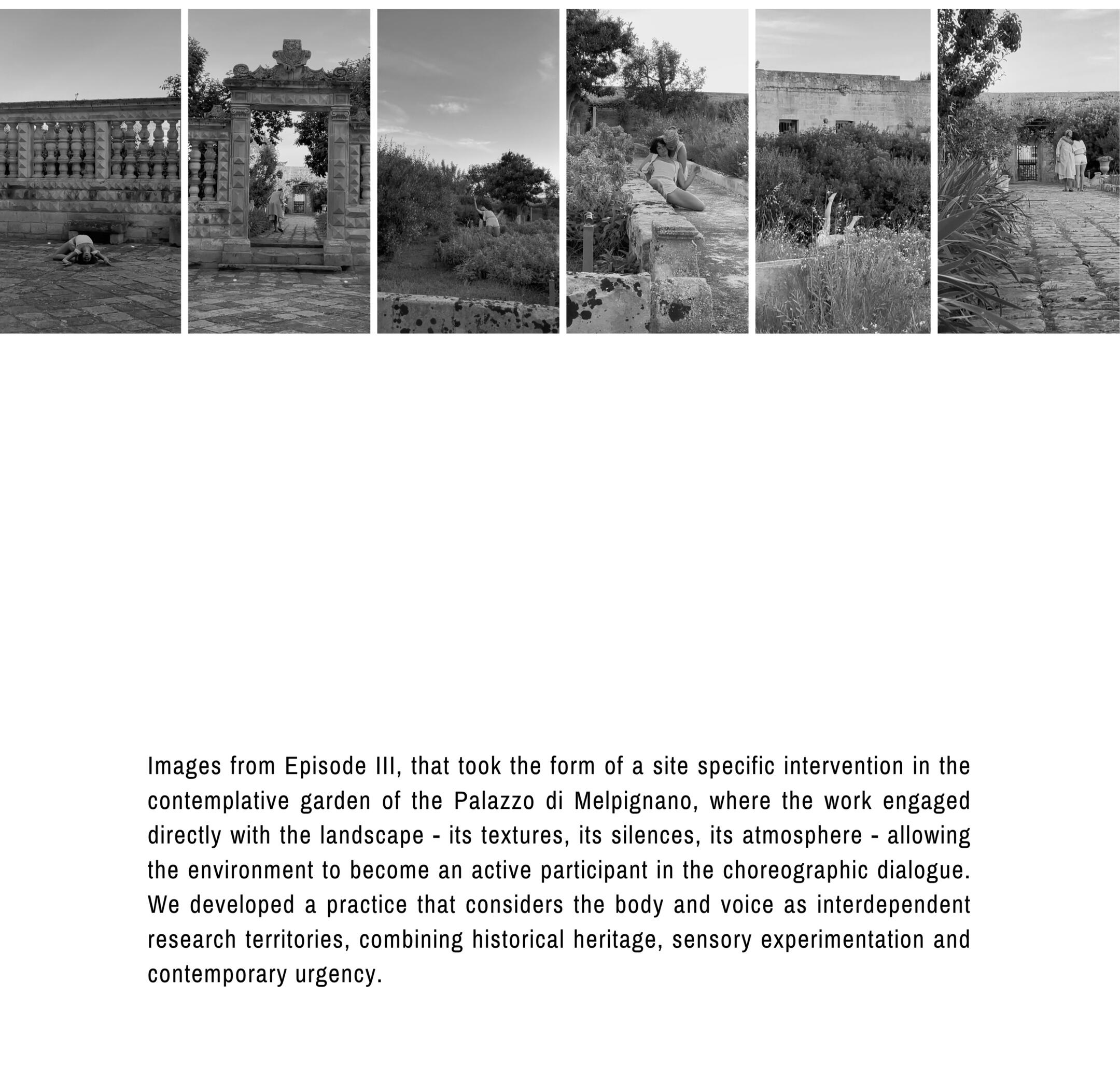
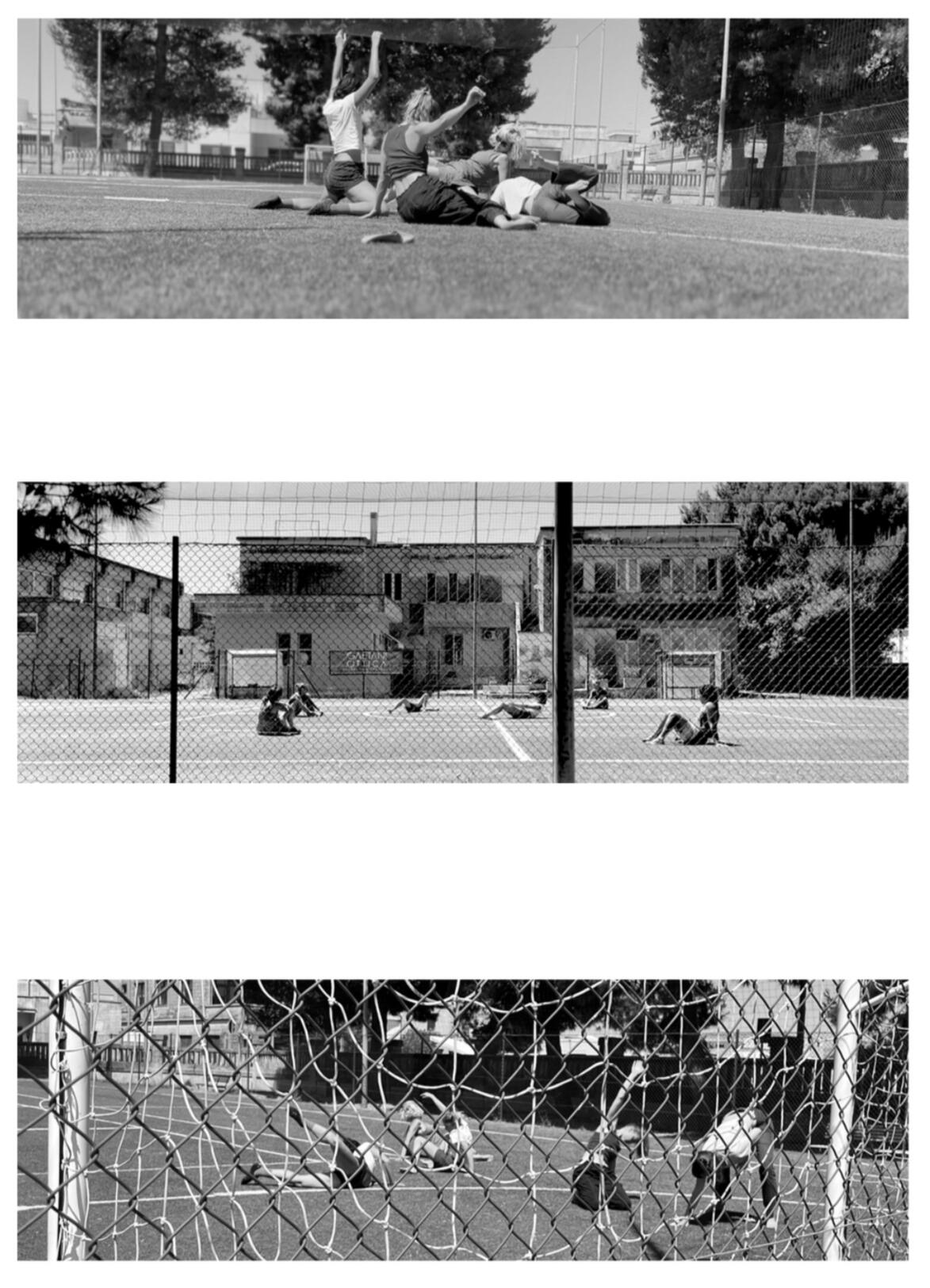
Black and white photographies by Timothé Fillon
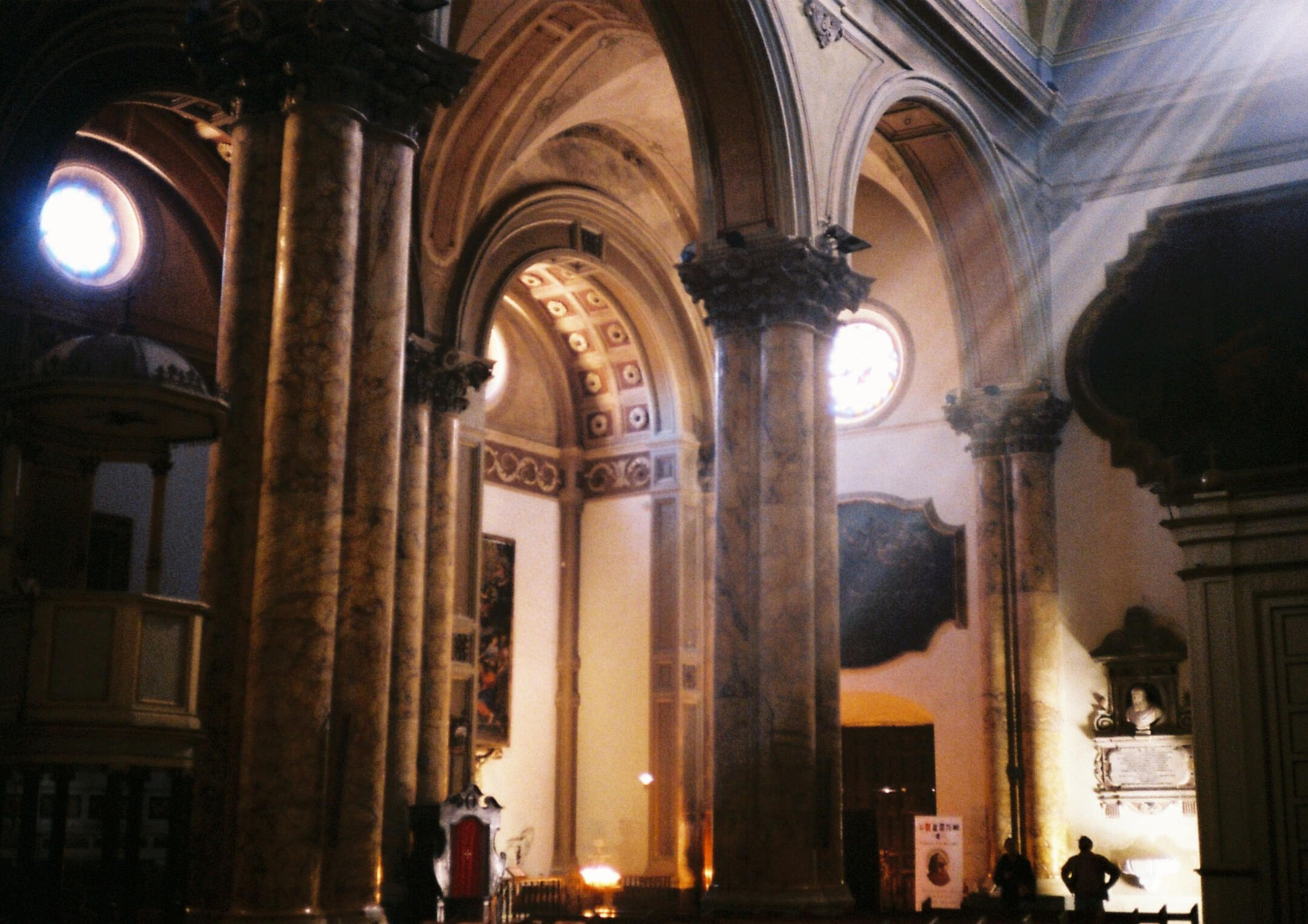
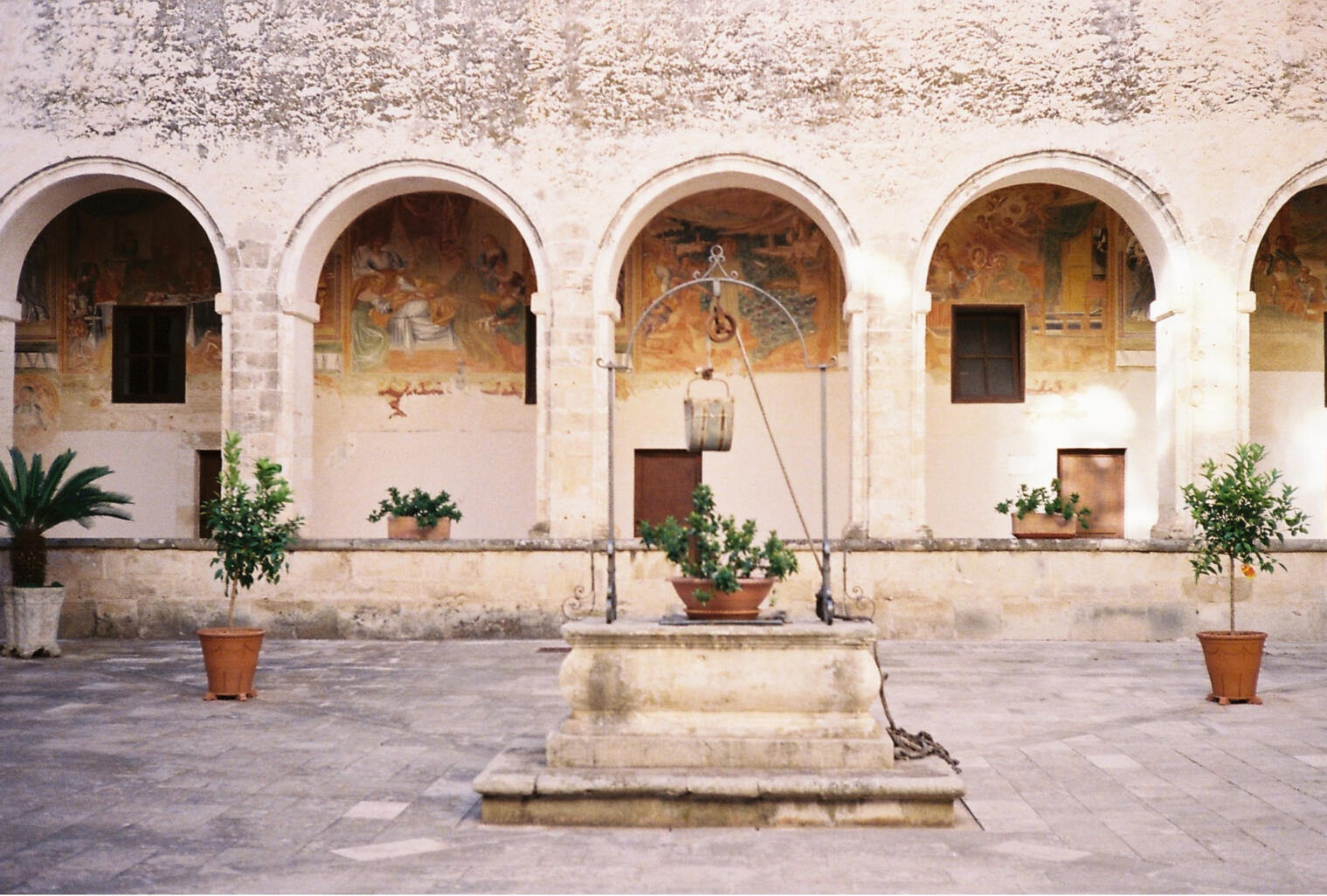
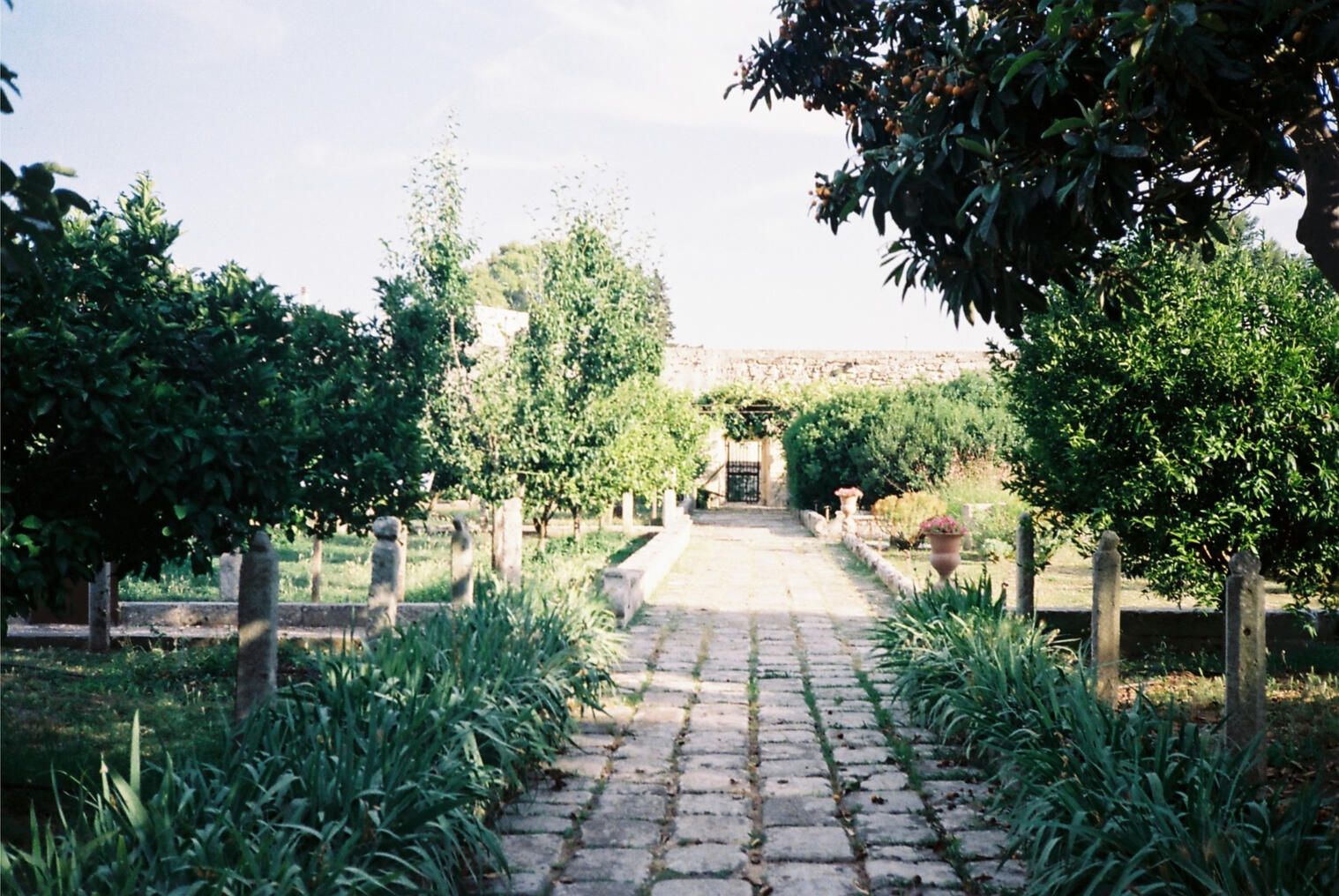
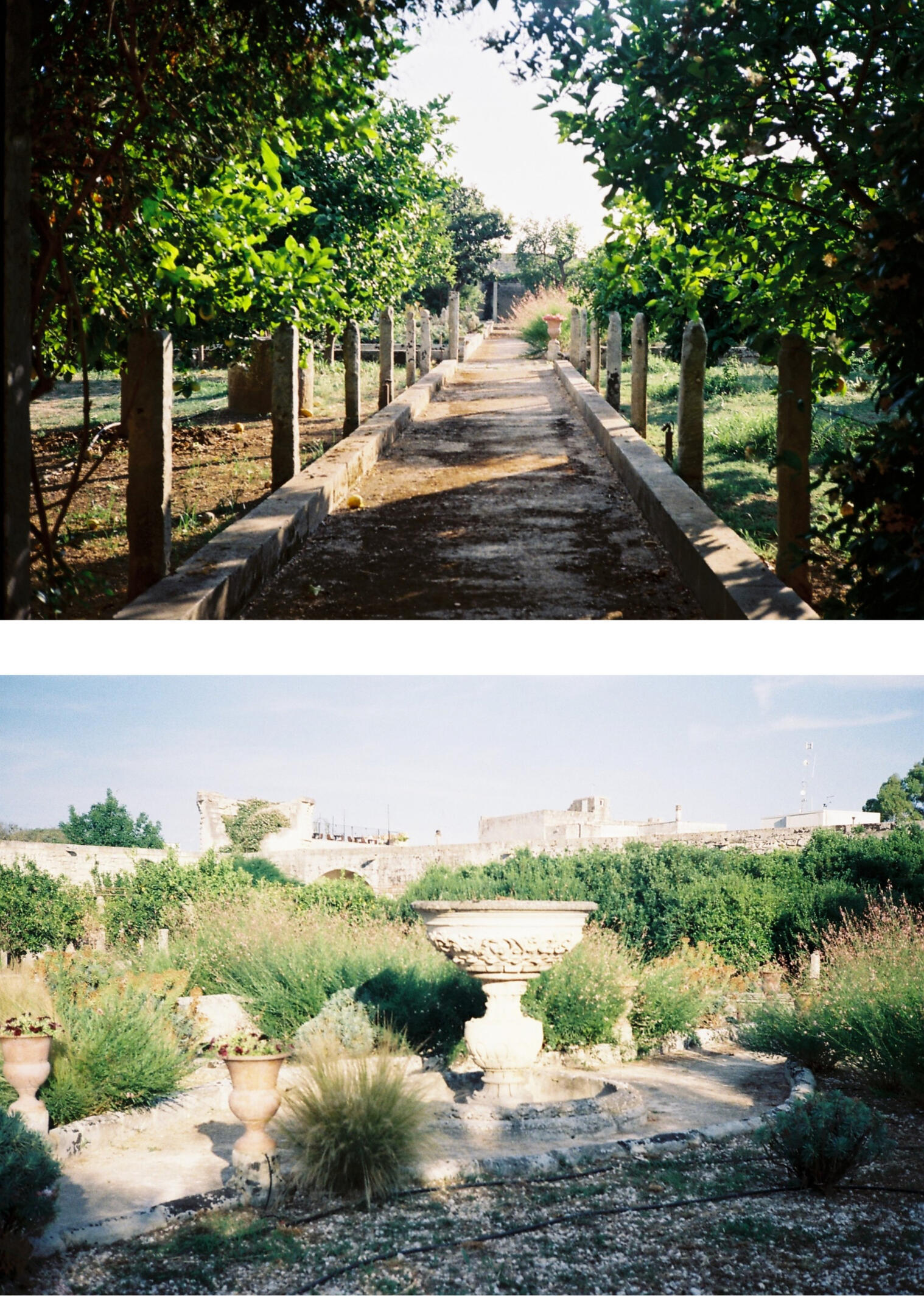
Colour photographies by Silvia Marazzi
Gravure by Gustave Dore, Arachne, du 12ème chant du "Purgatoire" de Dante.
Somatic Practice as a ProcessWhen I first began facilitating somatic practice for CPPM students, I did not know the group. Their bodies, their trainings, their thresholds of safety and sensation all unknown. I was mapping movement onto them from the outside, offering clear anatomical instructions for pelvic tilts, spinal waves, and neurogenic shaking. But over the weeks, as bodies became known and trust deepened, the practice transformed. It ceased to be a method imposed from the outside and gradually, organically, became something we built together: a living container, an architecture of permission from which movement emerges from within.
Working through three interconnected layers individual sensory awakening, relational connection, and tactile contact the practice invites a fundamental shift from execution to becoming. There is no right movement, only bodily sensations and truthful response. For performance makers, this process mirrors the very nature of live performance. The practice becomes an invitation to presence, state exploration, listening, and ongoing transformation.
Week 1 – Sensory and muscular awakening: pelvis, spine, curves, shaking
In the first week, the practice is entirely self-referential and internal. The goal is to reawaken proprioceptive awareness starting from the pelvis as the somatic center of gravity and movement initiation. Daily work involves isolated pelvic tilts, segmental spinal waves (flexion, extension, lateral curves, spirals), and neurogenic shaking first supine, then standing. The shaking is not a symptom to suppress but a biological release mechanism that resets muscle tonus, particularly in the psoas and deep paraspinal muscles. By week’s end, the practitioner perceives the body as a single, fluid unit rather than a collection of segments. The key principle: movement organizes perception.
Week 2 – Connection with others
The second week expands somatic awareness from first-person to second-person perspective. Using the same pelvic-spinal-shaking foundation, the practitioner now moves with implicit relational intention with space and other bodies. The nervous system naturally entrains rhythms breath, postural shifts begin to align without conscious effort, elastic and invisible threads, directional movements. This week cultivates embodied empathy and interpersonal resonance. The key principle: connection is a somatic event, not a cognitive one.
Week 3 – Contact
The third week introduces physical contact as tactile dialogue. The practitioner first establishes contact with the floor then, contact with a partner is added: seated back-to-back spinal waves, allowing deeper myofascial release through trust. The week closes with full integration of awakening, connection, and contact. The key principle: contact is conversation.
Inhabiting the SensibleWe always begin with a stranger. Not the other person. Ourselves. We don’t know where the body wants to go. At the beginning, when I facilitate a somatic practice, I teach from the outside, because fear is stronger than sensation. Clear instructions: tilt your pelvis, flex your spine, let the movement happen. But these are still empty gestures. Gestures that have not met the flesh. Because you don’t teach a body. You embrace it. You inhabit it alongside.Christian Bobin writes that we have two bodies grafted one into the other: the body of flesh and the body of language. When lies take hold of language, death sprouts in the flesh. Then care, perhaps, is a truthful speaking that passes through the flesh. Not words. A presence that says: you are here. To inhabit the world poetically is then the same thing as to inhabit the world humanly: to speak truthfully with the flesh. And somatic practice thus becomes a care of language. Not of words. Of the silence that words can carry.Inhabiting the body is not like inhabiting a house. A house you know. The body, instead, always surprises you. It has folds you have never seen. It has silences you have never listened to. To inhabit the world poetically means learning to dwell in this intimate stranger. It means ceasing to want to dominate the body and beginning to dwell within it lightly. But can one inhabit a body that trembles? Can one inhabit a body that does not obey? In somatic practice, every time a body lies down on the floor, it asks for something. It doesn’t always know what. It doesn’t have the words. But the question resides beneath the skin. Can I trust?Perhaps care is precisely this: to inhabit alongside the other while they inhabit their own stranger. Not to replace. Not to lead. To stand on the threshold. To watch what happens without adding anything. To be a presence that does not judge, that does not correct. A presence that says: you are there, and I see you. Care does not respond with explanations. It responds with waiting. With the silence that does not ask for performance.Every body that lies down on the floor asks for something. It doesn’t always know what. It doesn’t have the words. But the question trembles beneath the skin. And care does not respond with explanations. It responds with waiting. With silence.Maurice Merleau-Ponty calls "the flesh" the shared fabric of the sensible. Not matter, not spirit. My hand that touches is also a touched hand. The world does not stand before me: I am of the world, made of the same substance as clouds and the other’s bones. Intercorporeality, my body and the other’s body are two folds of the same universal flesh. Separation is an appearance. The truth is that we are always already in contact, even when we do not touch. Then care is not an addition, a caution. It is not a kindness that comes after technique. Care is a way of being in the world, the recognition of this shared flesh. It is the silence before words. It is the support before movement. It is the recognition that the other’s flesh is my flesh, and that to wound the other is to wound myself, and that to support the other is to support that portion of the world that breathes beside me.But the skin is not smooth. It is not a uniform wall. It is a territory inhabited by infinite tactile textures. The body speaks a language that has no vocabulary. You learn to know it only by inhabiting it. And to inhabit a tactile language means learning which textures wound and which weave a bond. Which close and which open. These textures are not metaphors, they are more like experiences.In my somatic practice I do not invent new textures. I allow them. Bring them back to consciousness, asking what texture does this body need today?In practice, we descend into depth. First we awaken sensations: the pelvis that tilts, the spine that undulates, the shakes, patterns. You do not teach the body. You inhabit it alongside. You learn to feel the internal connections that go from the sacrum to the occiput, from the pubis to the sternum. Every movement tenses and releases. It is not about doing. It is about letting being be made. Intercorporeality is not a theory. It is an experience that somatic practice does not invent but awakens. When two backs lean against each other, the waves of the spine transmit without words. The breath synchronizes. There is no will. There is entrainment. The flesh recognizes itself in the flesh. And recognition passes through the texture of contact.It is no longer I who moves. It is the movement that emerges from relationship. It is no longer I who supports. It is contact that becomes conversation. To give weight. To receive support. There is no hierarchy, there is exchange. Bobin writes: life was not given to us all at once. It was given to us like a song we learn by listening to it. Listening to the flesh is the first gesture of care. Somatic practice is this listening. A song you learn from inside the flesh. And care is the silence that allows the song to emerge. Not to correct. Not to lead. To make space. To stand on the threshold. To watch what happens, without adding anything to the great murmur of the world.Then the method is no longer a method. It becomes a container. An architecture of permission. Where I do not teach but I make space. Where movement becomes a becoming-together. Where technique dissolves into presence. Inside, movement is no longer execution. It becomes emergence. There is no right movement. There is only a true movement. The one born of sensation. The one the flesh recognizes as its own. Care is this mutual trusting. It is not something you do to the other. It is something that happens between. It is the silence that opens when two presences stop defending themselves. And the quality of that space is made of tactile textures: hands that know how to wait, silences that do not flee, pressures that support without invading.My somatic practice is not a technique. It is learning to weave. For oneself. For the other. For the flesh that holds us together. Every encounter is a new interweaving. Every contact adds a thread. Every silence is a knot that does not tighten too much. Every tremor is a thread that tenses and releases. Every texture is a care that makes space. Because I like to conceive the body not as a problem to solve, a tension to calm but more like a landscape to inhabit. And inhabiting takes time. Takes patience. Takes a presence that does not abandon. Takes that gentle and yet radical care that knows that to wound the other is to wound the flesh that dwells in us all, and that to support the other is to support that portion of the world that breathes beside me.Then the process never ends. You do not arrive. You become. Every encounter is a new becoming. Every contact is a new conversation. Every silence is a care that makes space. We always begin with a stranger. And little by little, we learn to inhabit it together. Texture after texture. Breath after breath. Body after body. Somatic practice makes it happen, not with words but with the bodily sensations that arise in the silences between words. You give weight and receive support. In that exchange, the body imagines. And care is no longer a gesture you perform. It is a way of inhabiting. Together.